


About nutrition care at Genesiss
In short: We look at your child’s growth chart, diet and routine together, check for common problems like anaemia and vitamin D deficiency, and give practical advice that fits your family’s food habits.
Our pediatrician looks at your child’s growth chart, diet and daily routine together, then gives practical advice that fits your family’s food habits. We check for common problems like iron-deficiency anaemia, vitamin D deficiency, constipation and being under- or overweight, and order simple tests when needed.
A balanced day for children
| Food group | Toddlers (1–3 years) | School children (4–12 years) | Good choices |
|---|---|---|---|
| Cereals & millets | 3–4 small portions | 5–6 portions | Rice, ragi, wheat roti, jowar, poha, idli |
| Pulses, eggs, meat | 1–2 portions | 2–3 portions | Dal, rajma, chana, paneer, eggs, fish, chicken |
| Milk & curd | About 2 cups (400–500 ml) | 2–3 cups | Milk, curd, buttermilk, cheese |
| Vegetables | 2–3 small portions | 3–4 portions | Carrot, pumpkin, beans, greens, tomato |
| Fruits | 1–2 portions | 2–3 portions | Banana, guava, papaya, orange, apple |
| Limit | Sugar, salt, fried snacks, packaged juices, biscuits | Same, plus soft drinks and fast food | Water is the best drink |
A portion is roughly what fits in your child’s cupped hand. Appetite varies day to day — look at the week as a whole.
Iron-rich foods (and how to absorb more iron)
Iron-deficiency anaemia is common in Indian children and can cause tiredness, poor appetite and difficulty concentrating.
| Iron-rich foods | Help absorption with | Avoid at mealtimes |
|---|---|---|
| Ragi, bajra, poha | Amla, guava, orange, lemon squeezed on food | Tea or coffee |
| Dal, rajma, chana, soya | Tomato, capsicum | Too much milk (over 500 ml a day for toddlers) |
| Spinach, methi, drumstick leaves | Fruit after the meal | — |
| Eggs, chicken, fish | — | — |
What We Offer
- Breastfeeding and formula guidanceSupply, frequency and weight gain in the early months.
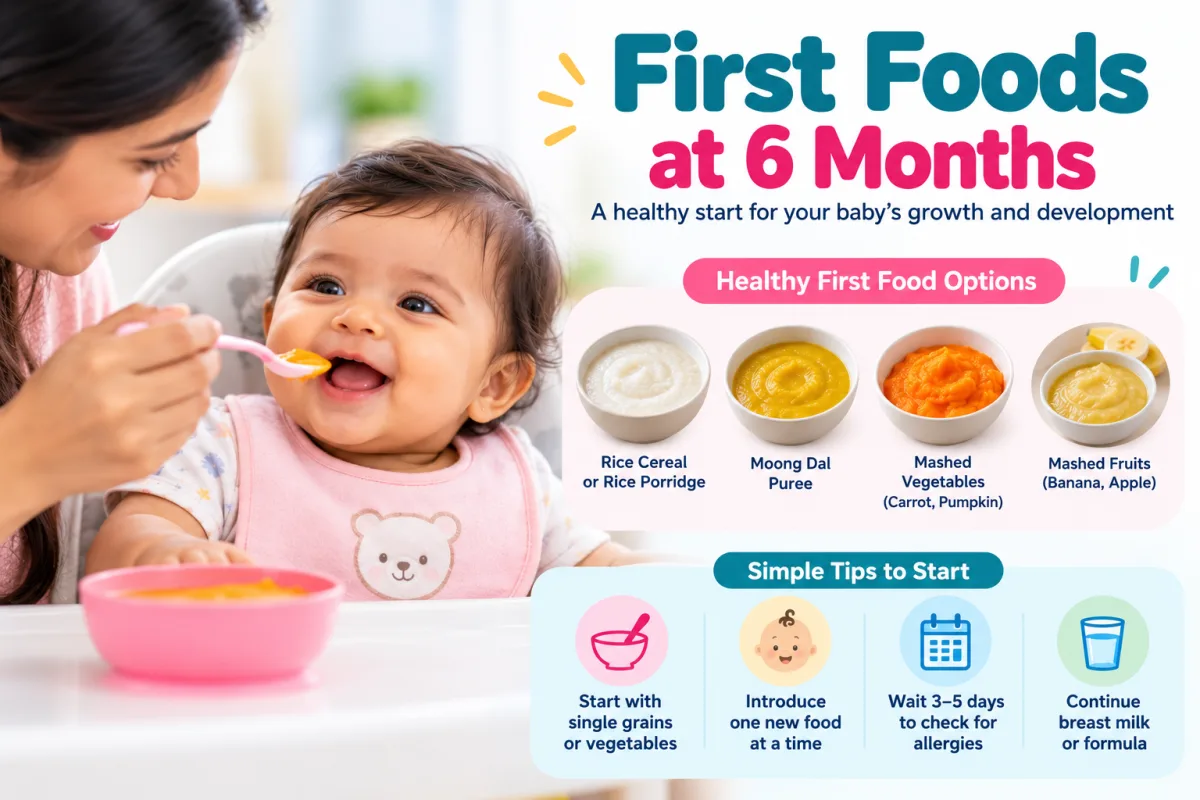
- Weaning plansStarting solids at about 6 months and moving on to family food.
- Picky-eater supportMealtime routines and strategies that reduce stress for parent and child.
- Weight managementPlans for children who are underweight or overweight.
- Deficiency screening and treatmentIron, vitamin D, B12 and calcium when indicated.
When to bring your child
Book a visit if your child is losing weight or not gaining weight, eats only a few foods, seems pale or tired all the time, is often constipated, or is gaining weight quickly.
Tips for happier mealtimes
- Eat together and offer the same family food, adjusted for texture.
- You decide what and when; your child decides how much — avoid force-feeding or bribing.
- Offer new foods many times — it can take 10–15 tries before a child accepts one.
- No screens at meals — children eat better when they notice hunger and fullness.
- Keep to set meal and snack times — constant grazing spoils appetite.
Frequently Asked Questions
My child is a picky eater. Is that a problem?
Picky eating is common between ages 2 and 6. If your child is growing well, it’s usually a phase. We’ll check growth and suggest ways to widen the range of foods.
Does my child need vitamin supplements?
Most children who eat a varied diet don’t. Some, such as babies on exclusive breastfeeding or children with little sun exposure, may need vitamin D or iron. We’ll advise based on your child’s needs.
How much milk should my toddler drink?
Around 400–500 ml a day is enough for most toddlers. Too much milk can reduce appetite for other food and lead to iron deficiency.
Are packaged health drinks needed?
No. They often contain added sugar. A balanced home diet with milk, dal, eggs, fruits and vegetables gives children everything they need.
This page is for general information and doesn’t replace a consultation with a doctor. See our medical disclaimer.